How Often Should I Get a Mammogram?
Breast cancer is the most common type of cancer diagnosed in women throughout the U.S, and according to Cancer.org, “Approximately 1 in 8 women in the U.S will be diagnosed with invasive breast cancer.”
Thinking about breast health can be overwhelming, but one of the most common questions women ask is: How often should I get a mammogram? The answer isn’t always straightforward, as guidelines can vary depending on your age, risk factors, and even which medical organization you look to for advice. That can leave many women feeling uncertain about the “right” schedule to follow.
What’s clear, however, is that mammograms remain the gold standard for early breast cancer detection. Getting screened at the right time can make all the difference, helping catch cancer in its earliest, most treatable stages.
Why Screening Matters
The early development of breast cancer can often go undetected, but according to the American Cancer Society, “when breast cancer is detected early and is in the localized stage, the 5-year relative survival rate is 99%”. This is why regular screenings are important to catching and treating breast cancer early.
Another question women ask is What kind of screening do I need? Traditional mammograms are still the gold standard for screening, but in recent decades, new methods like breast ultrasounds and breast MRIs have emerged.
General Mammogram Guidelines
One reason women feel unsure about how often to schedule mammograms is that different medical organizations provide slightly different recommendations. Here’s a quick look at the most widely recognized guidelines:
American Cancer Society (ACS):
- Ages 40–44: Women have the choice to begin annual mammograms if they wish.
- Ages 45–54: Mammograms are recommended every year.
- Ages 55 and older: Women can switch to mammograms every 2 years, or continue yearly if they prefer.
U.S. Preventive Services Task Force (USPSTF):
- Ages 40–74: Mammograms every 2 years.
While these guidelines differ slightly, they agree on one key point: starting regular mammograms at age 40 significantly reduces the risk of dying from breast cancer. The best schedule for you depends on your health history, risk level, and personal preferences.
What to Expect from a Mammogram
For many women, the idea of getting a mammogram feels intimidating—but knowing what to expect can help ease any anxiety. A mammogram is a quick, safe, and low-radiation procedure designed to give your doctor the clearest view of your breast health.
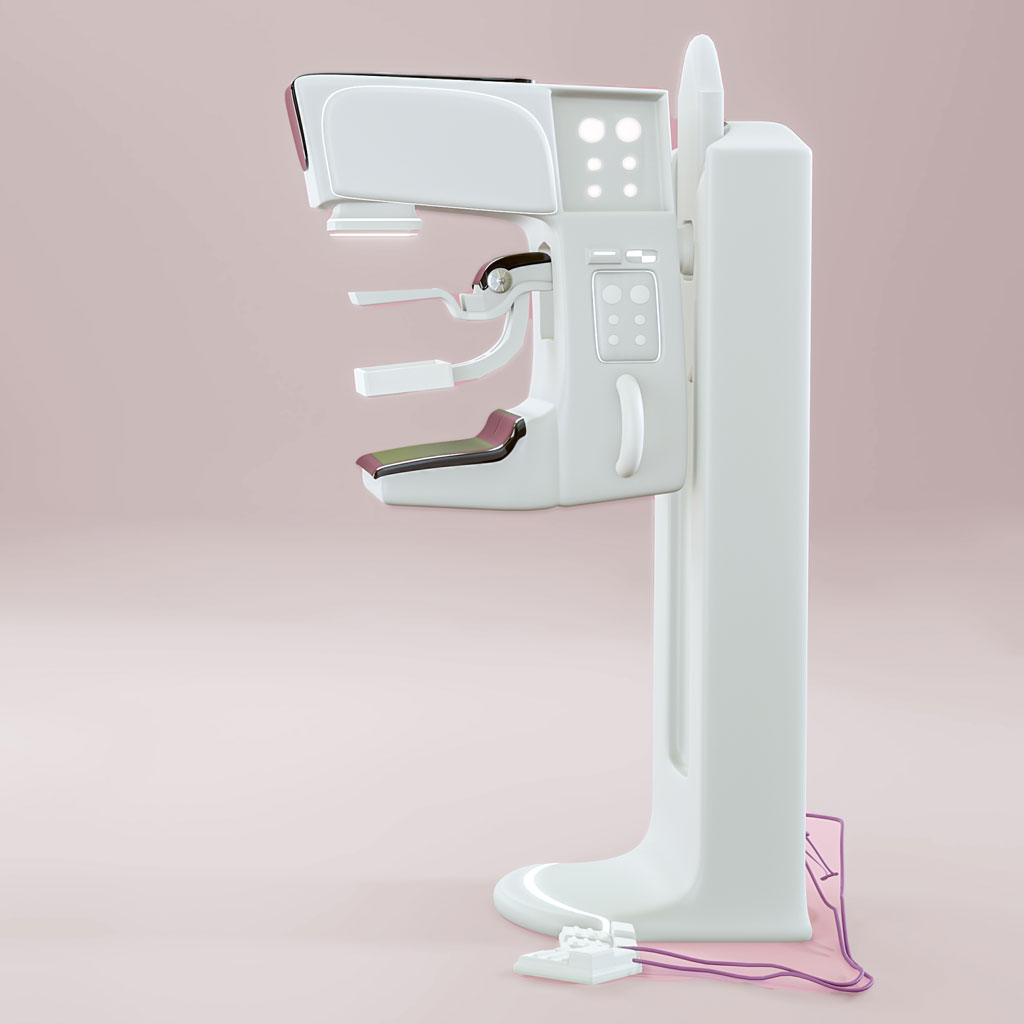
During the exam, each breast is gently compressed between two plates while X-ray images are taken. The compression may feel uncomfortable for a few seconds, but it shouldn’t be painful. The entire process usually takes about 20 minutes, and then you’re free to go about your day.
Results are typically available within a few days, and your healthcare provider will discuss any next steps if something unusual appears on the images.
While the experience may feel a little awkward at first, most women find the peace of mind well worth it. Regular mammograms give you and your doctor the best chance of catching problems early, when they’re most treatable.
Taking the Next Step
There’s no one-size-fits-all answer to how often you should get a mammogram—but there is a right answer for you. By considering your age, family history, breast density, and overall health, you and your provider can create a screening plan that offers the best protection and peace of mind.
If you’re due for a mammogram, don’t wait. Schedule a breast screening with the center nearest you.