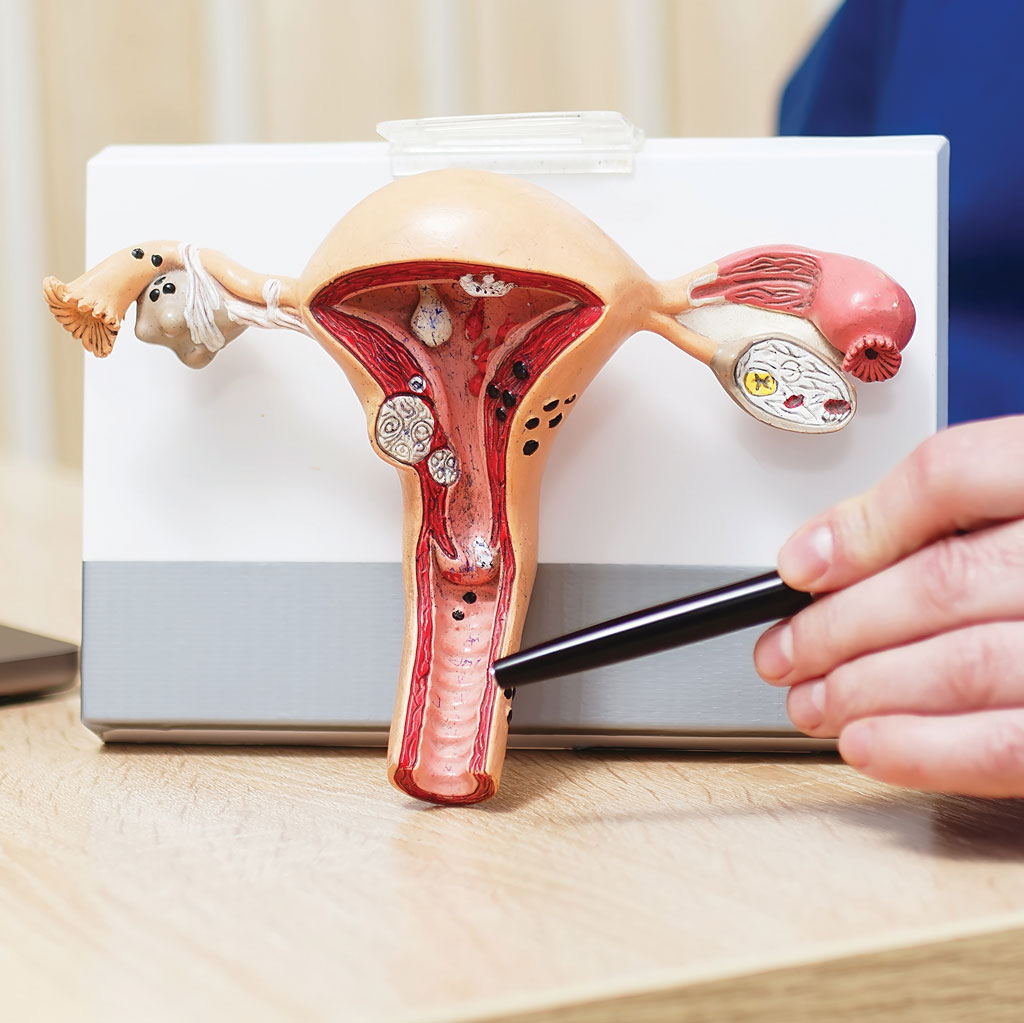
How UFE Recovery Compares to Hysterectomy Recovery for Fibroid Treatment
When searching for treatment options for uterine fibroids, recovery time is often just as important as symptom relief. Two commonly discussed options—Uterine Fibroid Embolization (UFE) and hysterectomy—differ significantly in how they impact your body, schedule, and return to normal life.
Understanding how UFE recovery compares to hysterectomy recovery can help patients make a more informed, confident decision about fibroid treatment.
Understanding the Procedures
Before comparing recovery timelines, it helps to understand what each procedure involves.
What Is Uterine Fibroid Embolization (UFE)?
UFE is a minimally invasive procedure performed by an interventional radiologist. Tiny particles are used to block the blood supply to fibroids, causing them to shrink over time while preserving the uterus.
What Is a Hysterectomy?
A hysterectomy is a surgical procedure that removes the uterus entirely. It may be performed abdominally, laparoscopically, or vaginally, depending on the case and fibroid size.
UFE Recovery: What to Expect
One of the biggest advantages of UFE is the shorter, less disruptive recovery.
Typical UFE Recovery Timeline
- Hospital stay: Often same-day discharge or overnight observation
- Initial discomfort: Cramping and fatigue for a few days
- Return to light activity: Within 3–5 days
- Return to work: Typically 7–10 days
Generally, after embolization, patients can have symptoms like pelvic cramping, nausea, or a slight fever; however, these disappear quickly and can be controlled with medication.
Reasons why UFE recovery can be easier:
- There are no big cuts.
- The reproductive organs are not taken
- There is a lower risk of surgical complications
- Patients can get back to their daily routines sooner
For many people, UFE recovery allows them to return to their normal lives with minimal time off work.
Hysterectomy Recovery: What to Expect
Hysterectomy recovery tends to be more involved due to the surgical nature of the procedure.
Typical Hysterectomy Recovery Timeline
- Hospital stay: 1–3 days (sometimes longer for abdominal surgery)
- Initial discomfort: Moderate to significant pain and fatigue
- Return to light activity: 4–6 weeks
- Full recovery: Up to 8 weeks
Because the uterus is removed, patients must also adjust to permanent changes in their bodies, including the end of menstruation and, in some cases, hormonal effects if the ovaries are removed.
Factors That Can Prolong Hysterectomy Recovery
- Larger incisions (especially abdominal hysterectomy)
- Higher risk of infection or blood loss
- Longer activity restrictions
- Increased need for postoperative support
How UFE Recovery Compares to Hysterectomy: Side-by-Side
| Recovery Factor | UFE Recovery | Hysterectomy Recovery |
| Procedure type | Minimally invasive | Major surgery |
| Hospital stay | Same day or overnight | 1–3 days |
| Return to work | 1–2 weeks | 4–6 weeks |
| Scarring | Tiny puncture site | Surgical incisions |
| Uterus preserved | Yes | No |
| Overall downtime | Shorter | Longer |
This hysterectomy vs embolization recovery comparison highlights why many patients prefer less invasive options when clinically appropriate.
Long-Term Recovery and Quality of Life
While both treatments aim to relieve fibroid symptoms, recovery impacts quality of life differently.
- UFE patients often report gradual symptom improvement over several months as fibroids shrink, without major lifestyle disruption.
- Hysterectomy patients may experience definitive symptom resolution but must navigate a longer physical and emotional recovery.
The right choice depends on symptom severity, fibroid size, future fertility considerations, and personal preferences.
Which Procedure Is Right for You?
Every person seeking fibroid treatment has a different experience. Each treatment has pros and cons, and for those seeking a uterus-preserving treatment option with a shorter recovery, Uterine Fibroid Embolization (UFE) is great.
When weighing how UFE recovery compares to hysterectomy, the differences in weekly/monthly recovery, procedure length, and impact on lifestyle are huge. Knowing these expectations can help patients feel more comfortable with their options and set them on a treatment course that works best for their lifestyle.
If you are exploring your options for fibroid treatment, consider contacting Bay Area Imaging Consultants to learn more about the differences in recovery between hysterectomy and UFE.